Food & Crop Science
What are genetically modified food crops, and what is actually changing?
Genetically modified food crops are plants whose genetic material has been altered in the laboratory — either by inserting a gene from another organism or by editing the plant's own DNA — to introduce a trait such as pest resistance, herbicide tolerance or improved nutrition. This guide works through five distinct parts of that field: the established insect- and herbicide-resistant staples that built the industry, the newer gene-editing techniques now reshaping regulation, how approval actually works across major markets, the nutrition-focused case of Golden Rice, and the traits being developed for a harder climate.
Guide index
-
 Established traits
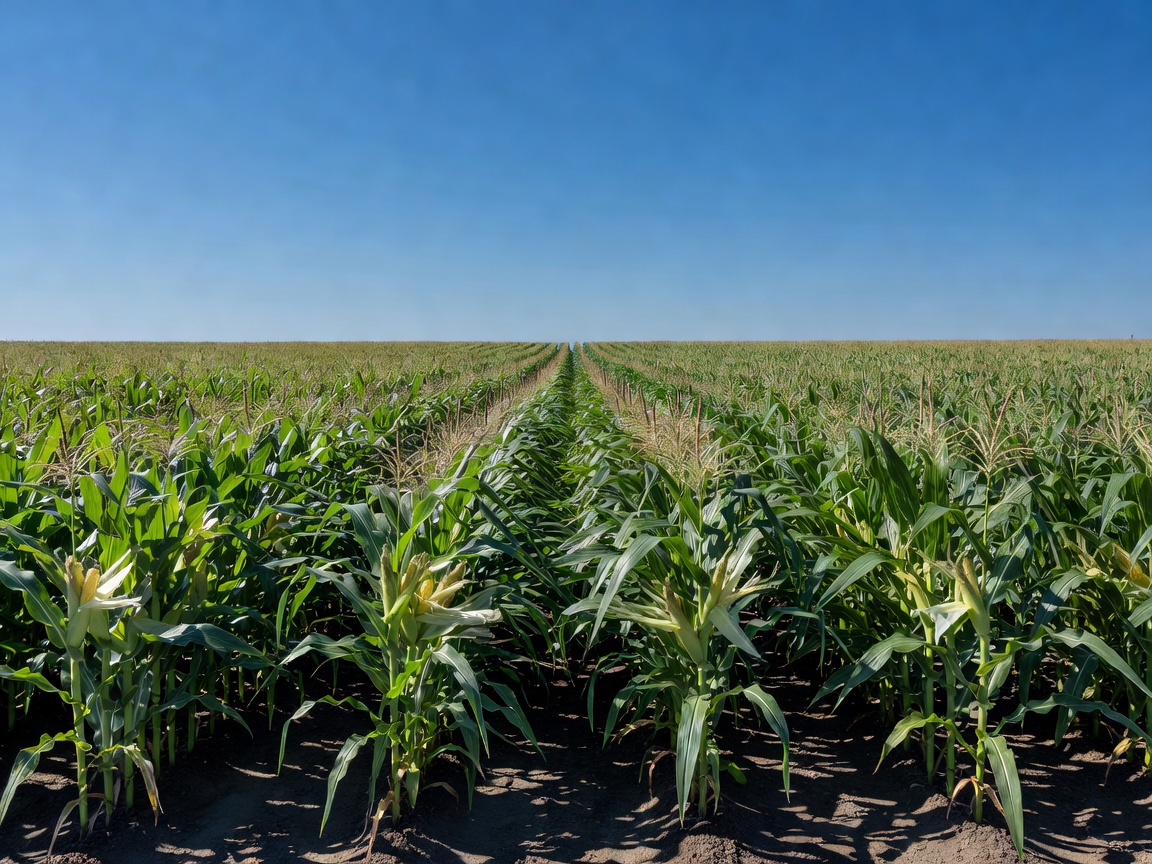
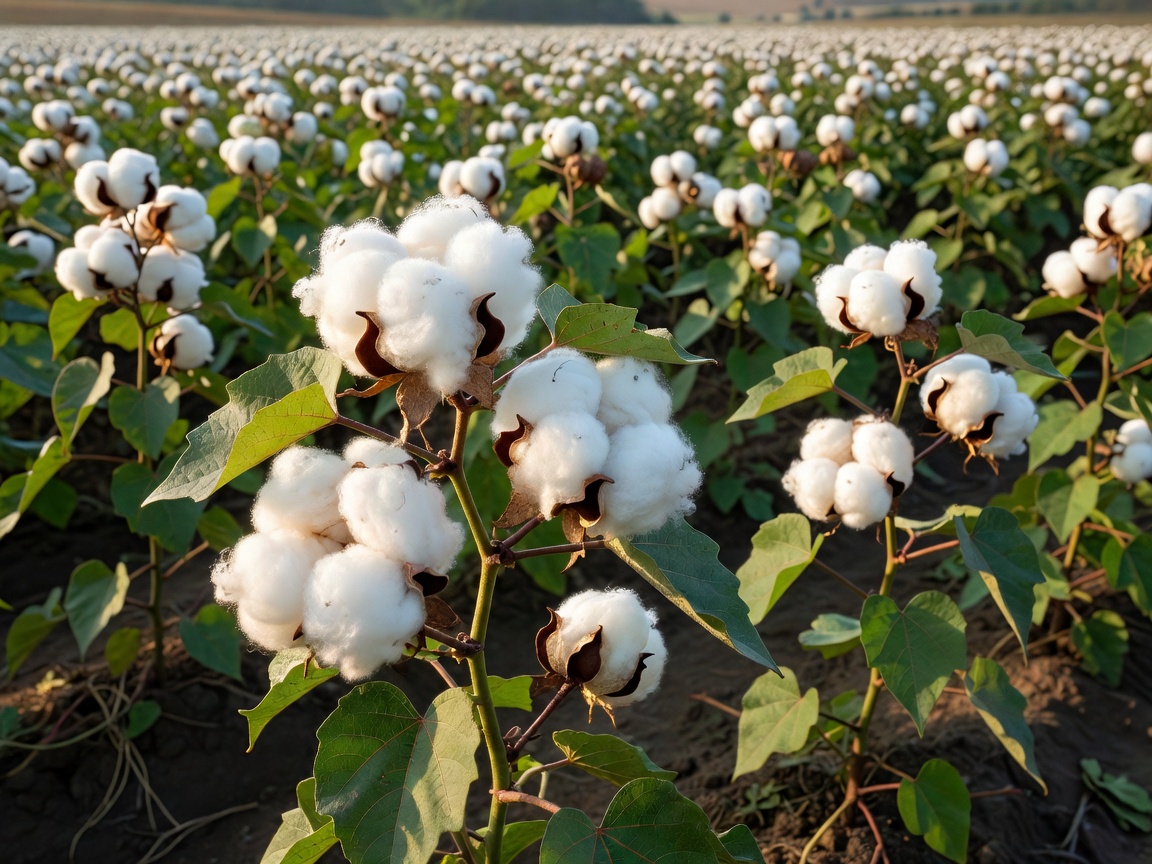
Bt maize, Bt cotton and herbicide-tolerant soybean
The traits that built the industry: insect-resistant Bt crops, glyphosate-tolerant soybean, and the refuge rules meant to keep them working.
-
 Technique
Gene editing versus genetic modification
CRISPR-Cas9 edits a plant's own DNA rather than inserting foreign genes — a distinction now written into UK and EU law.
-
 Regulation
How approval actually works
Comparing the EU's EFSA-led route, the UK's Food Standards Agency and Precision Breeding Act, and the US's three-agency system.
-
 Nutrition
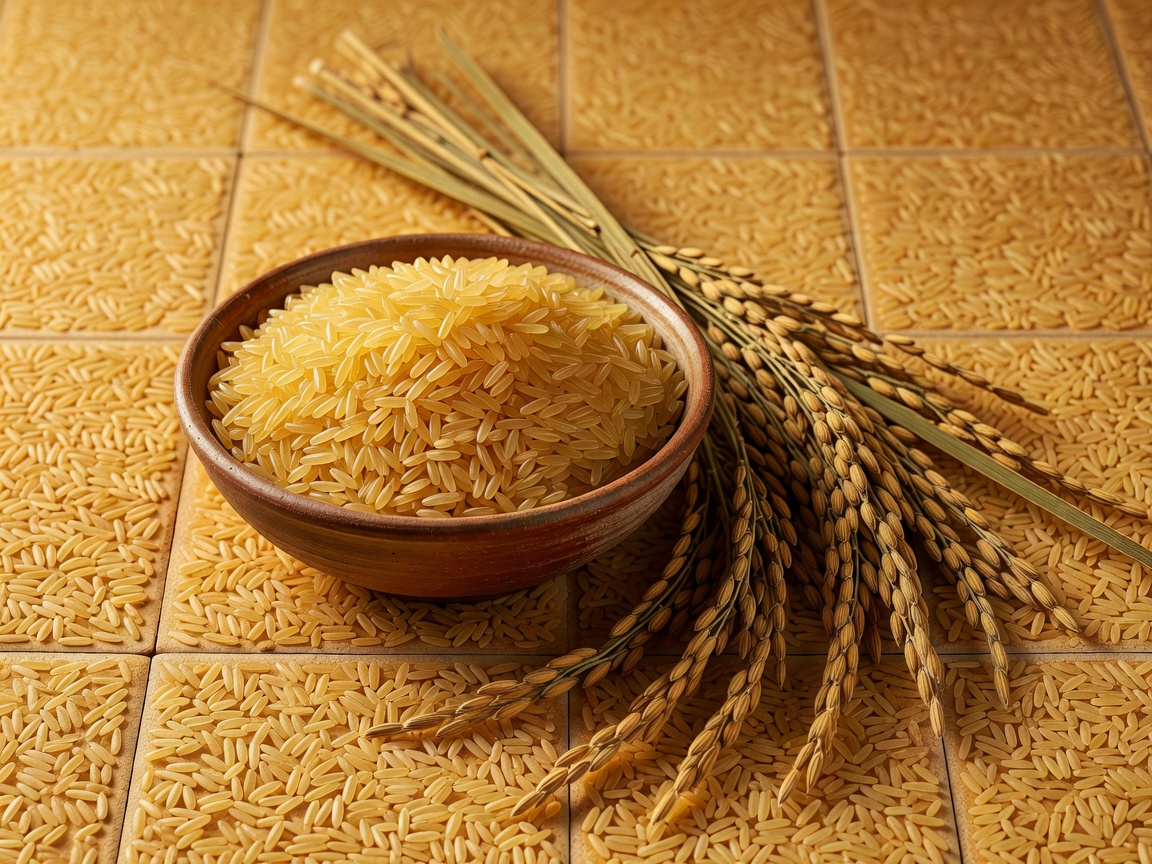
Golden Rice and biofortified staples
How rice was engineered to carry beta-carotene, why the Philippines approved it in 2021, and how it compares with conventional breeding.
-
 What's next
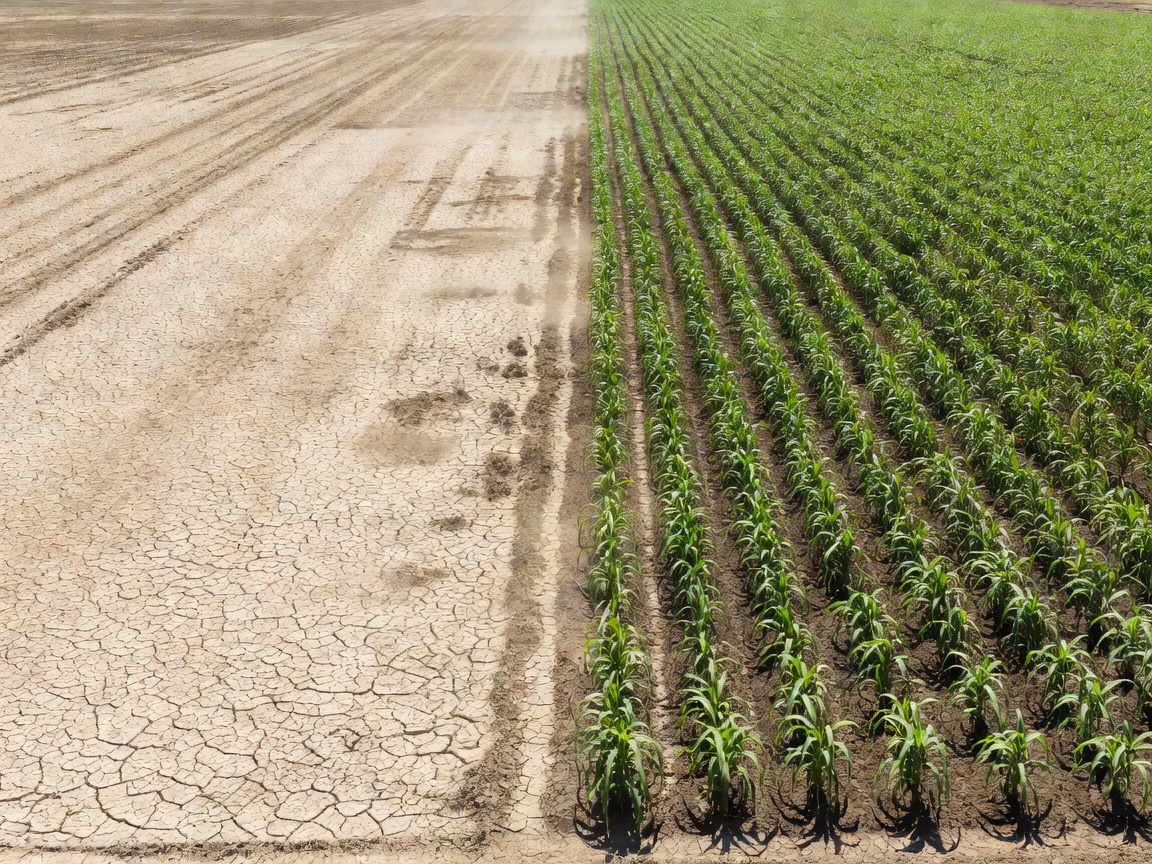
Traits bred for a harder climate
Drought-tolerant maize, disease-resistant potatoes and gene-edited salmon: the traits already approved and where breeding is heading.
Why does this keep coming up in food policy debates?
It keeps coming up because GM and gene-edited crops sit at the intersection of trade, farming practice and food labelling, and each of those moves on a different clock. The Codex Alimentarius Commission, the joint FAO/WHO body that sets international food standards, publishes guidelines for assessing foods derived from modern biotechnology, and individual countries build their own approval systems on top of that shared starting point. That is why the same crop can be approved for cultivation in one country, approved only for import as animal feed in another, and not authorised at all in a third.
Labelling adds a second layer of disagreement: some markets require any product containing detectable GM material to be labelled regardless of scale, while others set a threshold below which no declaration is needed. Gene editing complicates this further, because a plant edited with CRISPR-Cas9 to remove or adjust one of its own genes can be genetically indistinguishable from a conventionally bred variety carrying the same mutation, which is part of why the UK and the EU have started treating gene-edited and transgenic crops as different regulatory categories rather than one single "GM" bracket.